
Occupational safety should be understood, not administered.
For most employees, occupational safety today ends with an annual briefing and a form nobody enjoys filling in. Safety is experienced as an obligation, not as something you take part in. That is exactly the point we want to turn around.
Reporting has to pay off.
Mission
Near misses are the only kind of incident you can learn from without anyone being hurt, and the kind that gets reported least. We lower the barrier to under two minutes: speaking instead of filling in forms, anonymous instead of by name.
Vision
The body of near misses paints a picture of where an operation is genuinely vulnerable, not from statistics about accidents that already happened, but from signals about accidents that almost did.
Our yardstick
Not the number of reports, but whether the same pattern repeats less often. If reports go up and repetitions do not go down, we have built a reporting machine, not prevention.
Six principles that always apply
- check_circleAnonymity never breaks. At the level of individuals, counting stays private; outwardly it is only ever per area.
- check_circleReporting and implementing are rewarded – never a low number. A bonus for few accidents rewards looking away.
- check_circleNo leaderboards of people. They tempt people to hold reports back.
- check_circleNo estimated figures. No avoided costs, no extrapolated savings. Only what has been measured.
- check_circleNo sense of loss. Streaks only ever go up; taking leave costs nobody anything.
- check_circlePeople decide. The AI relieves nobody of their responsibility.
The people behind tutelaris
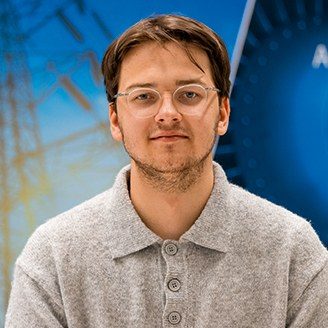
Andrei Piatrouski
Co-Founder & CEO
Industrial Safety & Data.
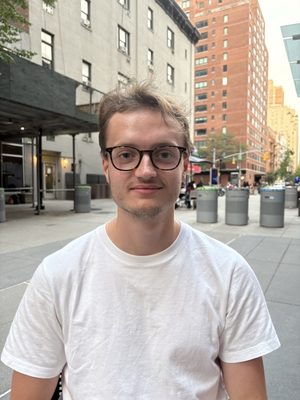
Bryan Stoltzenburg
Co-Founder & CTO
Responsible for engineering and product.
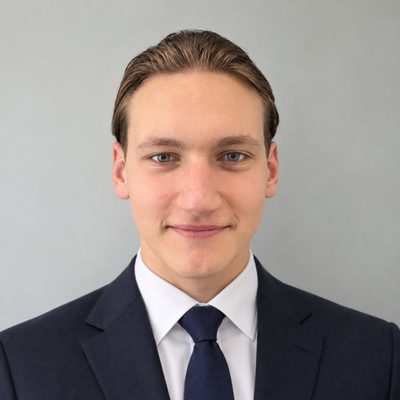
Yehor Prokhorenko
Co-Founder & CFO/COO
Responsible for finance and operations.